From the piney woods of East Texas to the salt marshes of the Carolinas and the mangrove swamps of Florida, the American South is a stunning ecological tapestry. But as rising seas lap at our coastlines, extreme weather erodes our mountainsides, and fragmentation threatens vital working lands and wildlife, it’s clear: The region’s most iconic landscapes need a lifeline. That’s where The Nature Conservancy comes in.
With teams active in every Southern state, The Nature Conservancy protects the land by bolstering the critical native species that inhabit it. Standing tall along the coastal plain from Texas to Virginia, the longleaf pine is one such keystone. These hardy trees once blanketed more than 90 million acres across the South, providing shelter for indigo snakes, gopher tortoises, red-cockaded woodpeckers, Venus flytraps, and other now-rare plants and animals. But by the late 1800s that vast forest had been reduced to just 3.2 million acres, the victim of an insatiable demand for tar, pitch, and turpentine. Today, The Nature Conservancy is working to restore what was lost—replanting seedlings through its Plant a Billion Trees campaign, acquiring and managing its own tracts of longleaf pine, and helping partners manage theirs. Much of this restoration happens on private land—where The Nature Conservancy works hand-in-hand with landowners to bring back fire-adapted forests and the wildlife they support.
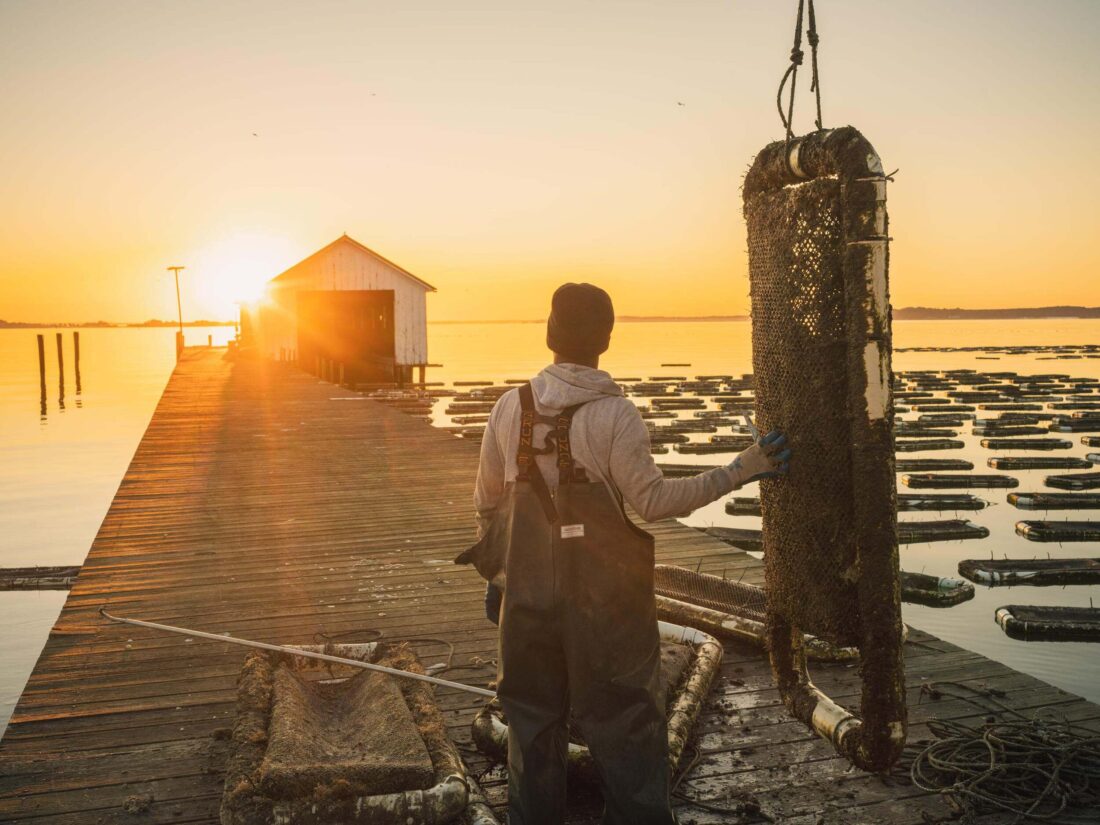
Just as forests define the health of our inland landscapes, oysters serve as a first line of defense along the Southern coast. In the 1600s Captain John Smith marveled that oysters in Virginia “lay as thick as stones,” so plentiful they seemed inexhaustible. These vital filter feeders cleanse the water of excess nitrogen and phosphorus, stabilize shorelines, blunt the force of storms, and support entire ecosystems. But they’re also undeniably delicious, and centuries of overharvesting—plus pollution, warming waters, and disease—have pushed oyster populations to the brink. According to a 2018 study by The Nature Conservancy, 85 percent of the world’s oyster reefs have vanished.
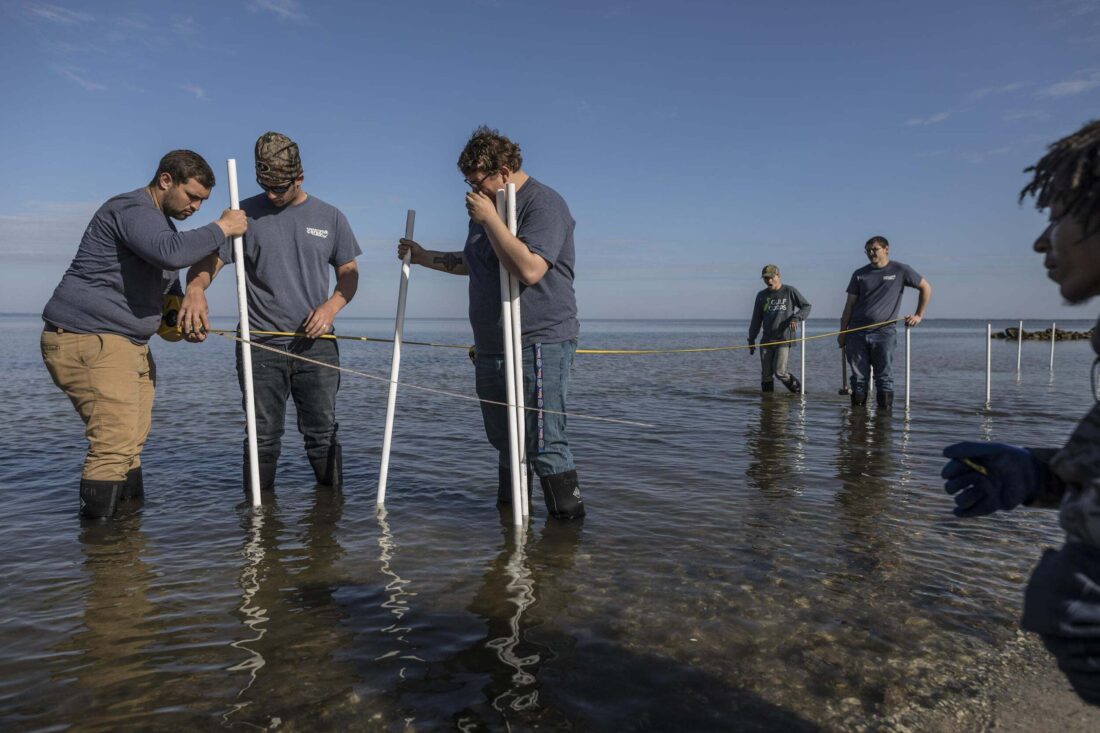
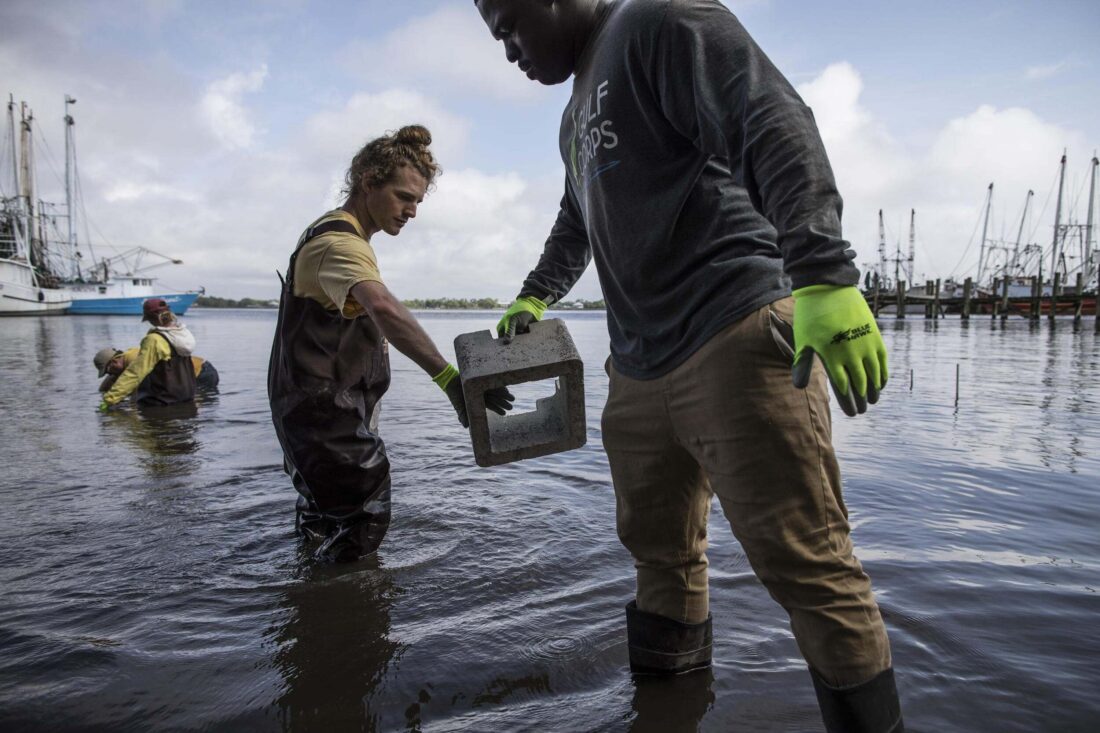
To bring bivalves back, The Nature Conservancy has partnered with the Army Corps of Engineers, Virginia Marine Resources Commission (VMRC), and NOAA to execute the world’s largest oyster restoration project—encompassing nearly five hundred acres—on the Eastern Shore. Similar restoration efforts are turning the tide on the Texas Gulf Coast, a region that produces half of the oysters consumed in the U.S. each year. The Nature Conservancy helped build 160 acres of new oyster reefs there, working to preserve both a keystone species and a cornerstone of the regional economy.
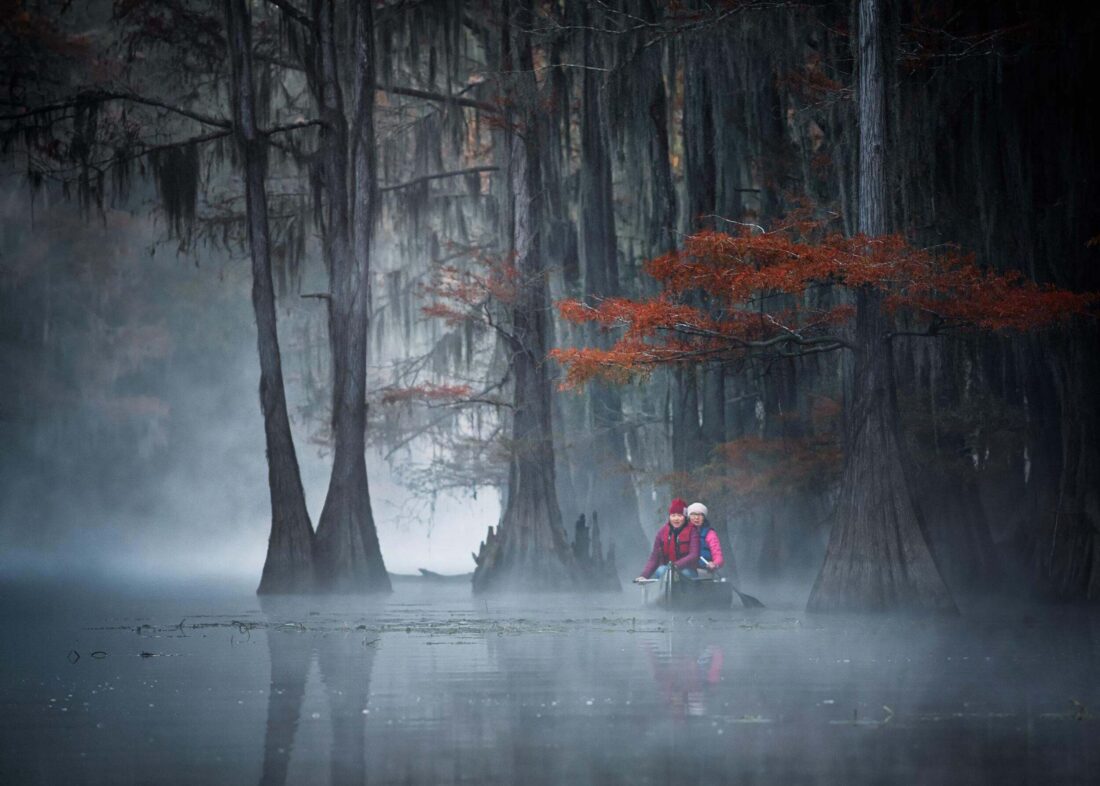
Conservation is at the heart of The Nature Conservancy’s mission, but recreation is an important benefit of protecting the world’s wild, unspoiled places. As the steward of the largest network of private conservation lands in the United States, The Nature Conservancy safeguards thousands of acres of preserved landscapes open to the public—places like South Carolina’s Frances Beidler Forest, the largest virgin cypress-tupelo swamp forest in the world, and Florida’s Disney Wilderness Preserve, a hidden gem at the headwaters of the Everglades. Whether you’re chasing adventure on hiking and biking trails or seeking stillness and solitude, these protected spaces offer room to roam, reflect, and reconnect with the natural world.
Clean air, fresh water, bountiful wildlife—The Nature Conservancy protects what matters most, because nature is our common ground. When you support The Nature Conservancy, you’re investing in the ancient forests, vibrant coastlines, and untamed backcountry that have sustained the South for generations. Learn more about how nature supports our lives.