

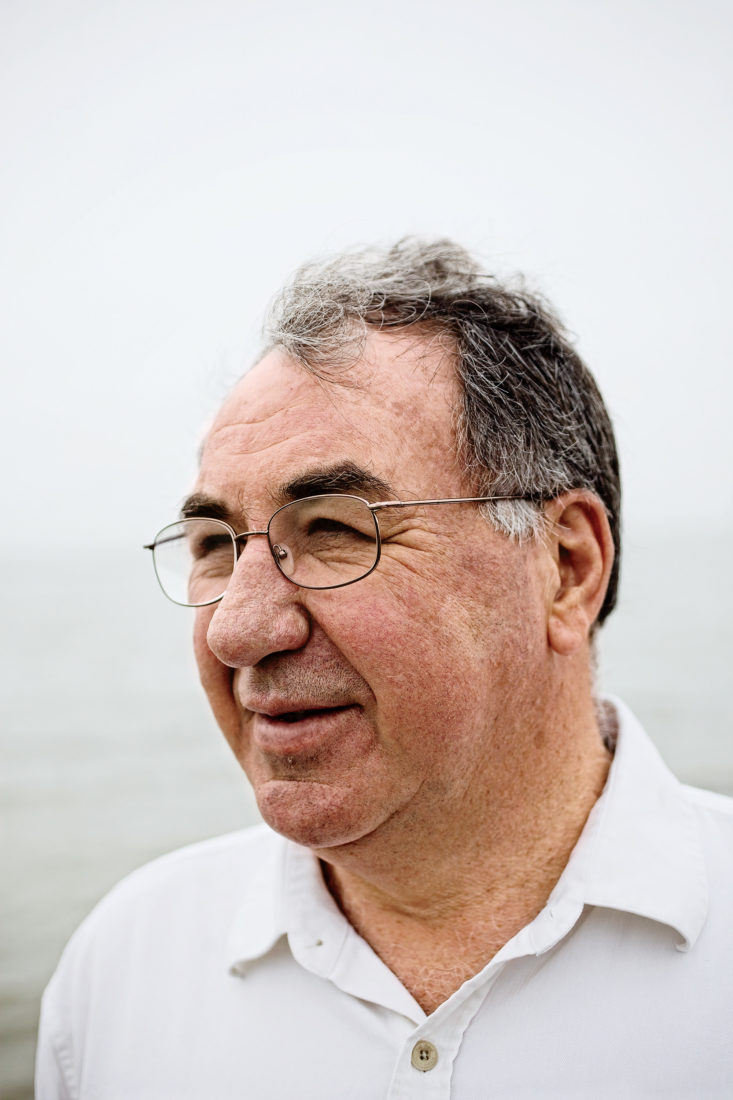
Texas is home to some of the last and most productive wild oyster beds in the country, thanks in large part to Misho Ivic, the founder of Misho’s Seafood in San Leon. In 1988, Ivic helped lead the charge to convince Texas oystermen to approve a self-imposed tax to expand reef building, a program that continues today. “The reefs we’re building in Galveston Bay are extremely productive,” he says. “We just need a decent rainy year.” Population booms upstream and a severe drought have meant decreasing amounts of freshwater reaching the bays from Texas’s rivers, triggering red tide algae blooms and threatening oysters overall. So Ivic and other producers have been lobbying lawmakers, trying to make politicians understand the need to keep freshwater flowing into the bays. And it’s not just about oysters. “Healthy reefs benefit all marine life,” Ivic says. “If you choke them, it all dies.”
Related Stories:
CONSERVATION
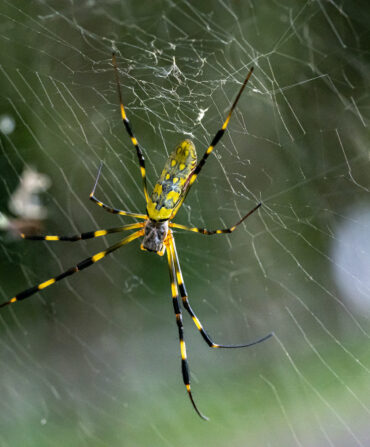
The long-legged, brightly colored orb weavers are growing more common across the South. Here’s what to do—and what not to do—when you cross paths with one.
Sporting
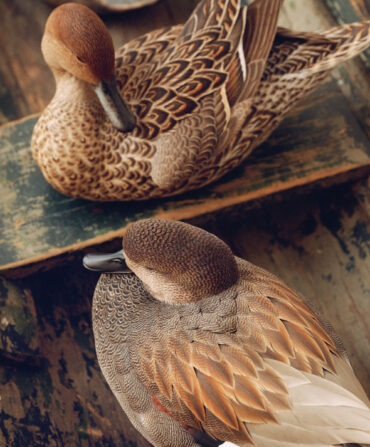
The Louisiana native carries on a Cajun woodworking and painting lineage
This Land
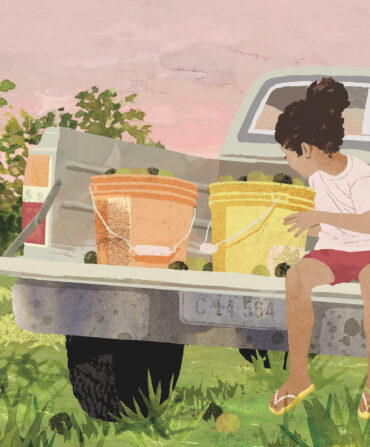
A Southern foraging staple cracks open a lifetime of memories
Trending Stories:
Land & Conservation
The future of conservation in the South just got a little bit brighter—and not just for salamanders
Land & Conservation
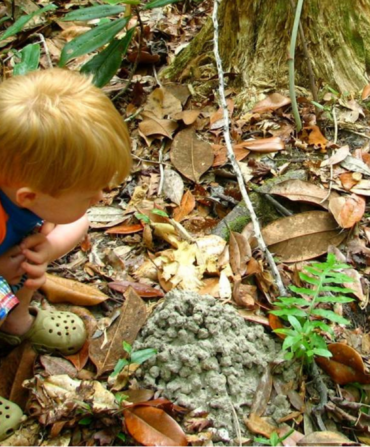
The mounds may look insignificant, but they’re the craftsmanship of local crustaceans called lawn lobsters
Arts & Culture
The drawls are receiving a lot of flak across the internet, but a North Carolina linguist argues they’re actually pretty accurate